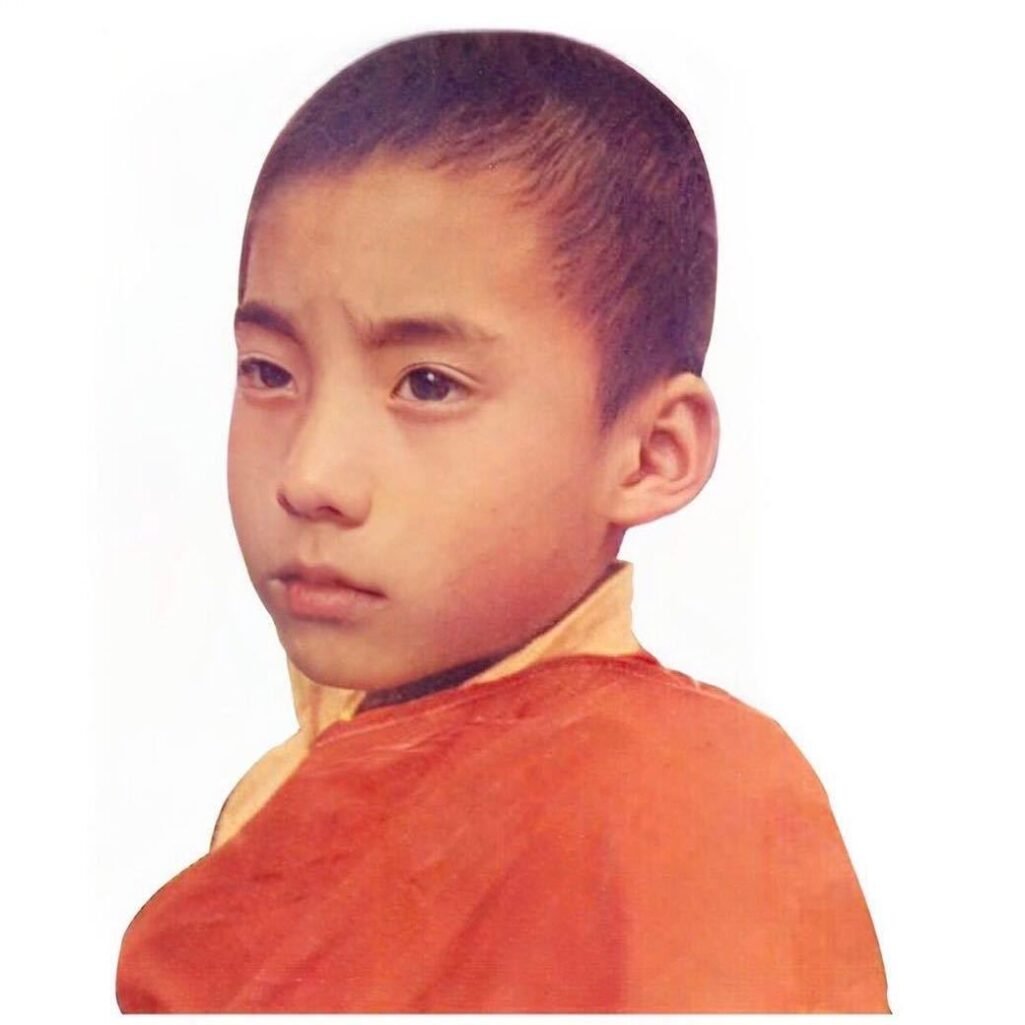
Ven. Lama Rinpoche Norbu Wangdi
Fifth Abbot of Long-nying Chöling Monastery
1943–2025
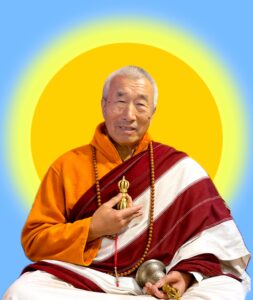
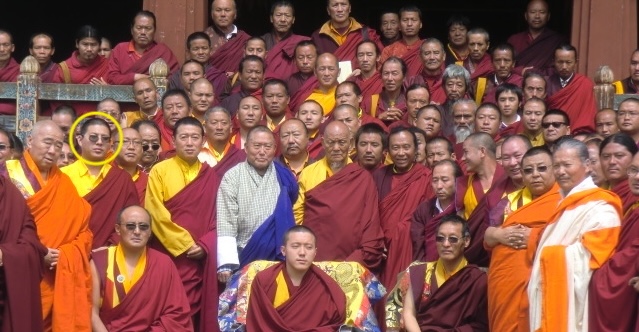
Venerable Lama Rinpoche Norbu Wangdi, the Fifth Abbot of Long-nying Chöling Monastery, was born in 1943 in Longkhar, Khamdhang, Trashi Yangtse, in eastern Bhutan, a hidden sacred land blessed by Guru Padmasambhava. He was born to Venerable Lama Sonam Wangchuk, the Fourth Abbot of Long-nying Chöling Monastery. His family lineage descends from the great treasure revealer Guru Chöwang and the noble Nyö clan of Kurtö Dungkar, a lineage also associated with the royal family of Bhutan.
The great Dzogchen master Chöying Rangdröl bestowed upon him the name Norbu Wangdi. From the age of seven, Lama Rinpoche began his spiritual education under the guidance of his father. He learned to read and write, trained in ritual practices, and engaged in the preliminary practices of the Longchen Nyingtik tradition. He later enrolled in Chökyi Demig School, one of the earliest Western-style schools in Trashi Yangtse, where he studied English and Hindi.
Before entering the Rigzhung Institute in the 1960s, Lama Rinpoche received extensive traditional training from several local and lineage masters during his youth. He continued his studies under the highly realized master Lopön Künzang Norbu at Baney Monastery, where he trained for more than a year. During this period, he mastered traditional arts related to stupa architecture, including the preparation of inner relics and mantras for stupas and statues. He also received Dzogchen teachings, including instructions on the nature of mind.
During this early period, he further deepened his knowledge by studying Tibetan astrology under the local astrologer Rinchen Khandro and Ramjar Lama Umzé Drepa. He also received teachings and transmissions of various prayers from the retreat master Lama Trashi Tenzin of Kurtö. Under the guidance of Lama Trashi Tenzin and Yerphe Lama, he engaged in retreat practices of Sengdongma, the Lion-Faced Ḍākinī, from the Longchen Nyingtik cycle, especially for removing obstacles.
In his youth, Lama Rinpoche also received teachings from Lopön Jampal Lhundrup of Bayling, Trashi Yangtse, on the Dakini’s Laughter Chöd, a practice lineage transmitted from the great Tibetan yogi Gya-nak Lama, who was a disciple of the renowned Chöd master Dharma Sengye. He also received teachings on the Queen of Great Bliss from the female yogini Tokdenma Damchö Wangmo of Bumthang, who visited Rigsum Gonpa and the sacred charnel grounds of Yangtse.
Lama Rinpoche also studied under Yogi Lama Phuntsok Dorji, the Second Abbot of Long-nying Chöling Monastery. From him, he received empowerments and teachings on the Three Roots of the Longchen Nyingtik, the Laughter of the Dakinis Chöd, and other important instructions. During this same early period, he received numerous empowerments and teachings from Dzogchen Pema Sengye Rinpoche, including teachings on the Three Roots, Lama Chöpa, and the Tara practice known as Luwang Gön-gyen from the Longchen Nyingtik cycle.
In the 1960s, after receiving this strong foundation in traditional learning, ritual arts, astrology, retreat practice, Chöd, and Dzogchen instructions, Lama Rinpoche was among one hundred students selected from across Bhutan to enroll in the first Rigzhung Institute of Traditional Buddhist Studies at Semtokha. There, under the guidance of Me-nyak Lama Gyalwang Nyima Rinpoche, he studied Tibetan literature and grammar, Buddhist philosophical texts, and various Vajrayāna teachings.
After completing his studies, Lama Rinpoche was selected as a gold scribe to transcribe the Kangyur and Tengyur in Thimphu and Punakha Dzong. This sacred project was commissioned by His Majesty the Third King, Jigme Dorji Wangchuck. He later participated in a gold-scribing project of the sixteen-volume Prajñāpāramitā Sūtra for His Holiness the Sixteenth Karmapa. For more than eight years, he devoted himself to writing the words of the Buddha in golden letters. The wages he earned from this work enabled him to receive teachings from many great masters and to travel to sacred pilgrimage sites in Bhutan, India, and Nepal.
Throughout his life, Lama Rinpoche received numerous empowerments, transmissions, and instructions from eminent masters of the Nyingma, Kagyu, and other Tibetan Buddhist lineages, including His Holiness Dudjom Jigdral Yeshe Dorje Rinpoche, His Holiness Dilgo Khyentse Rinpoche, His Holiness the Sixteenth Karmapa Rangjung Rigpai Dorje, and His Holiness the Fourteenth Dalai Lama. He devoted himself to extensive retreat practice, ritual service, and the preservation and propagation of the Buddha Dharma.
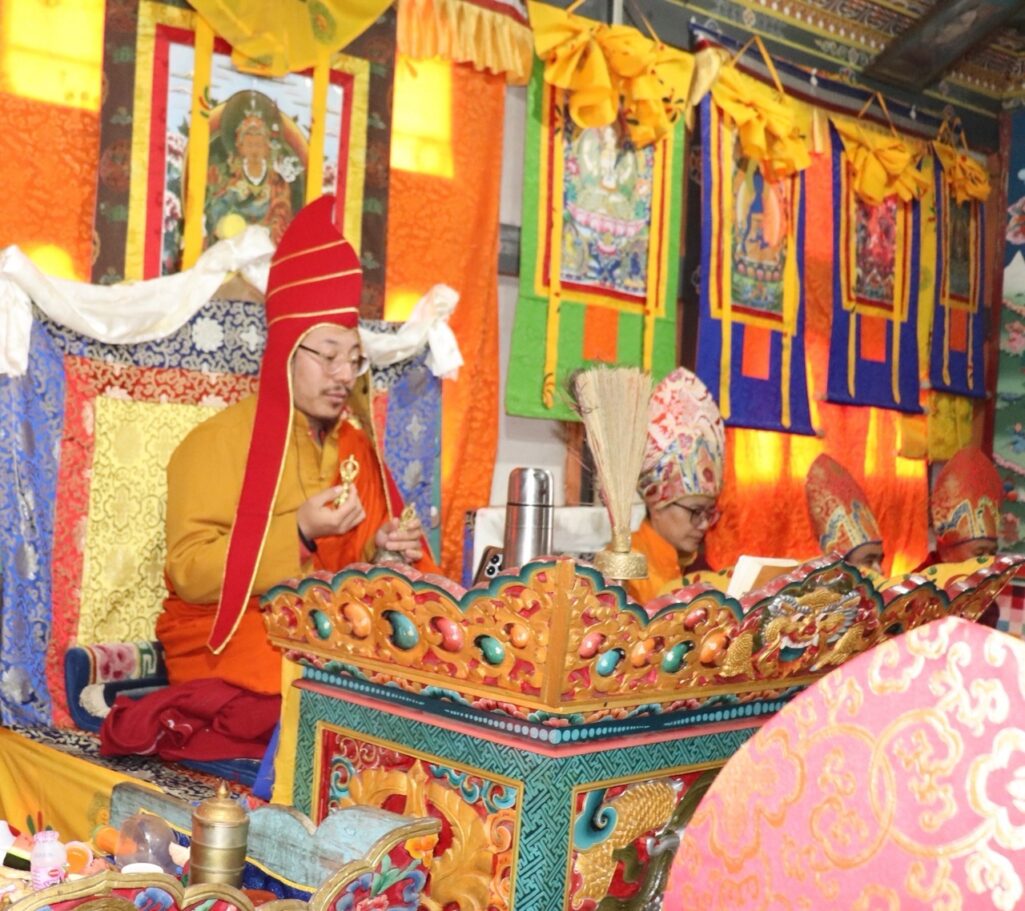
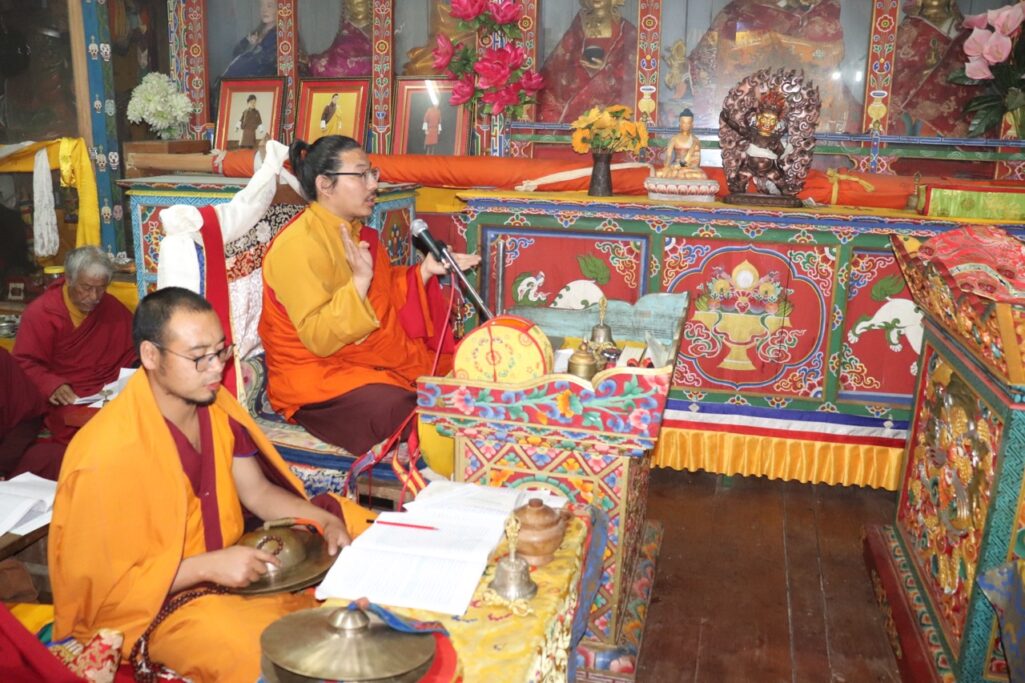
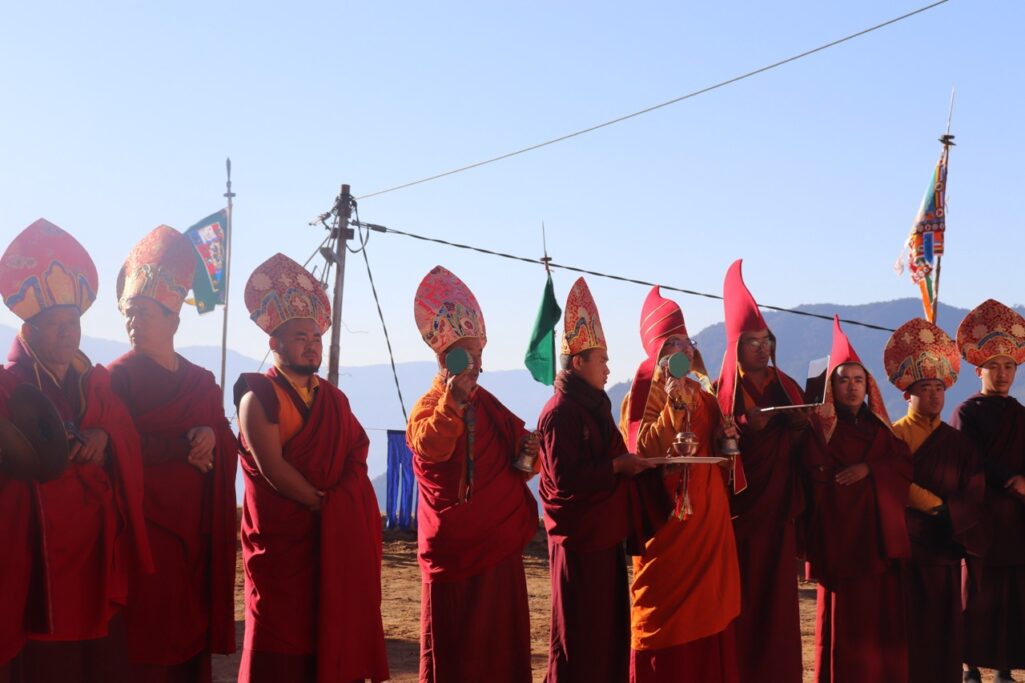
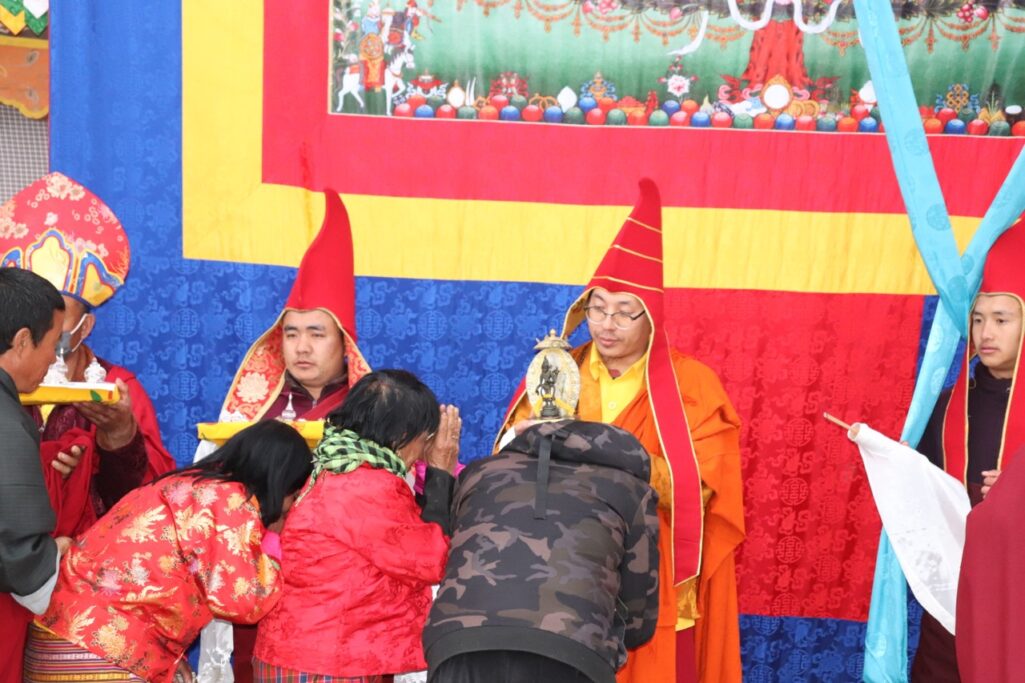
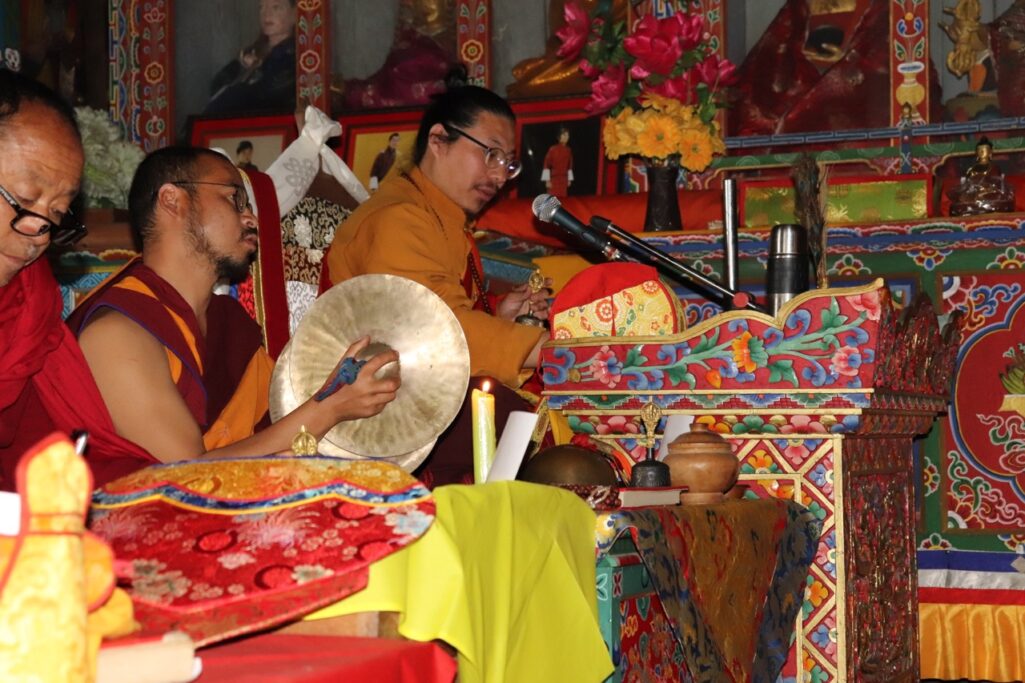
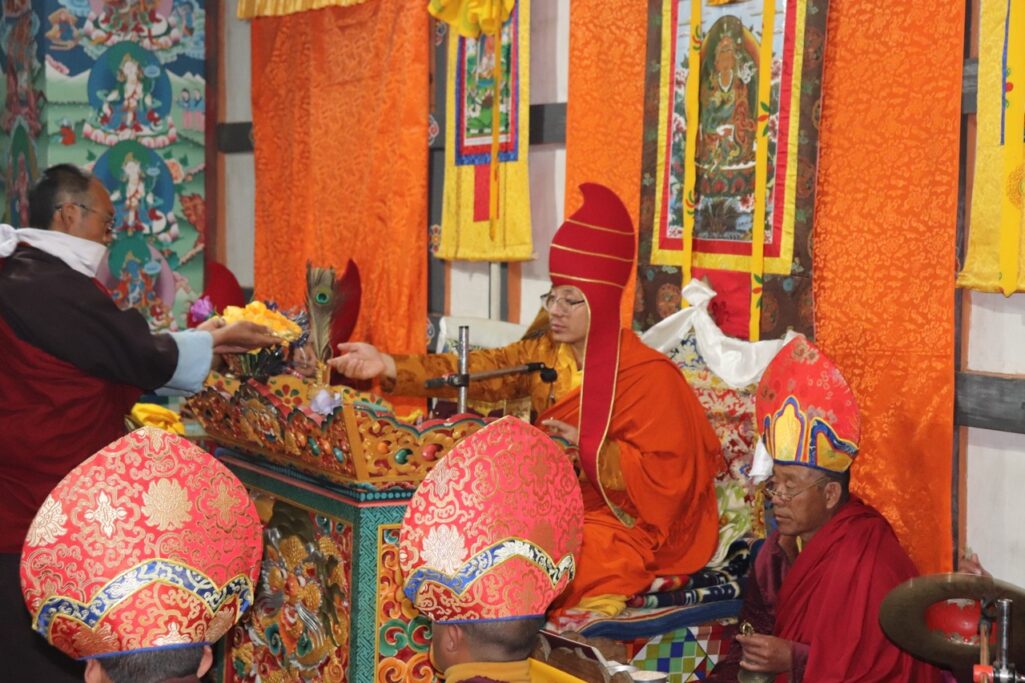
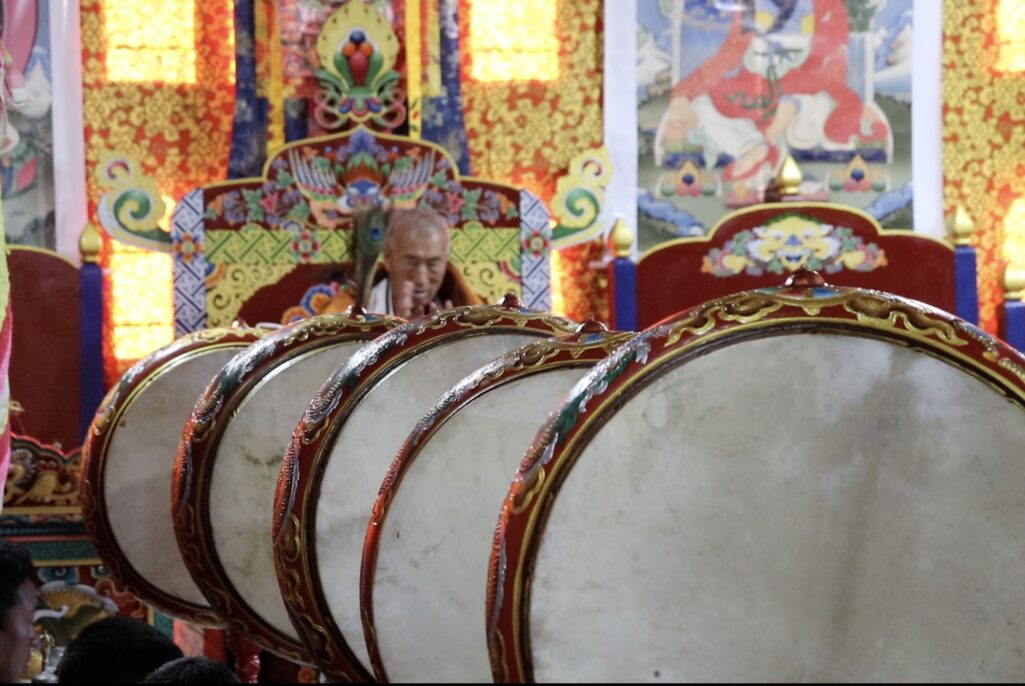
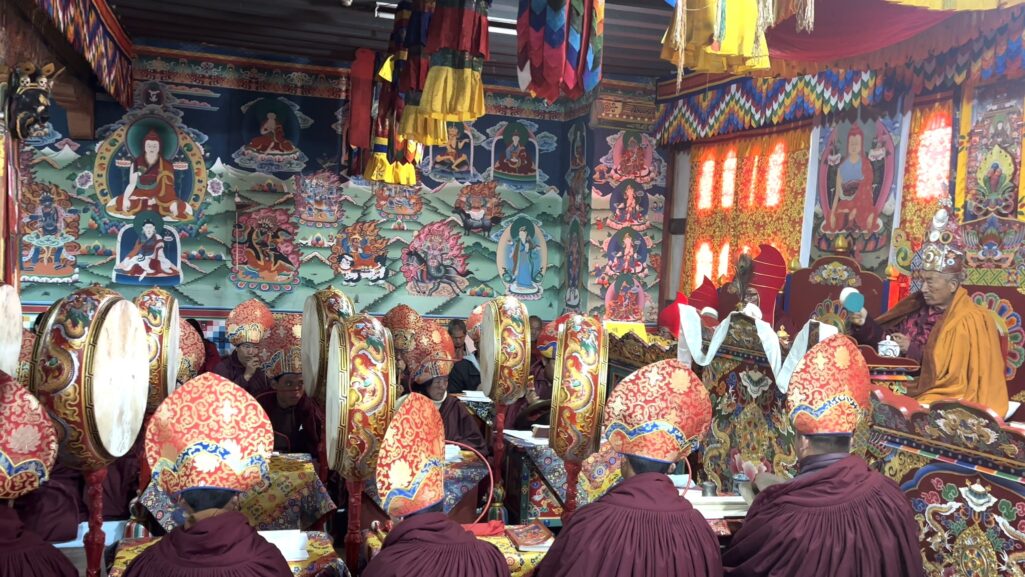
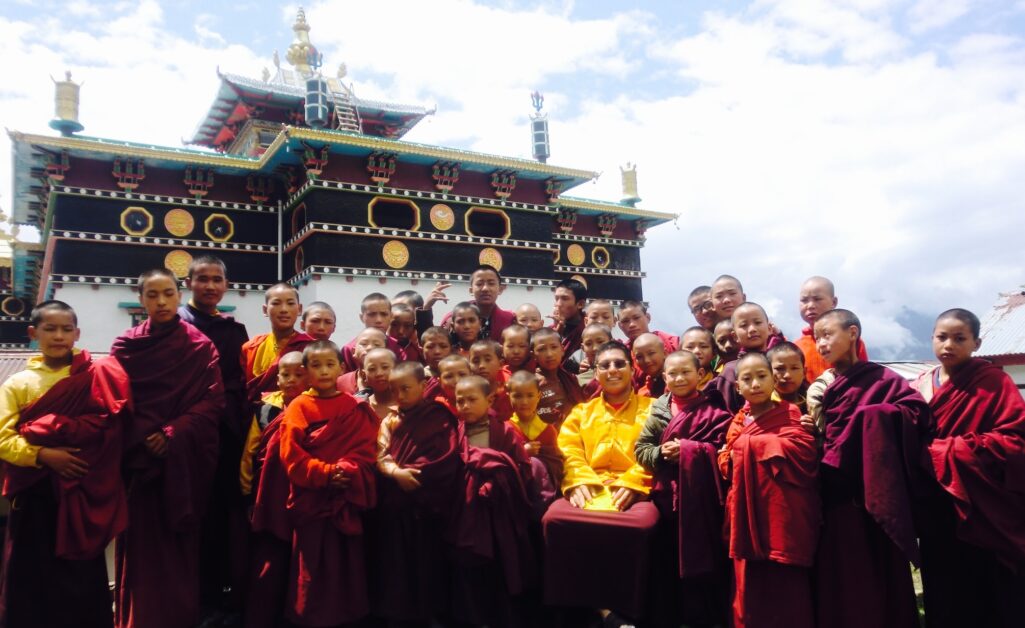
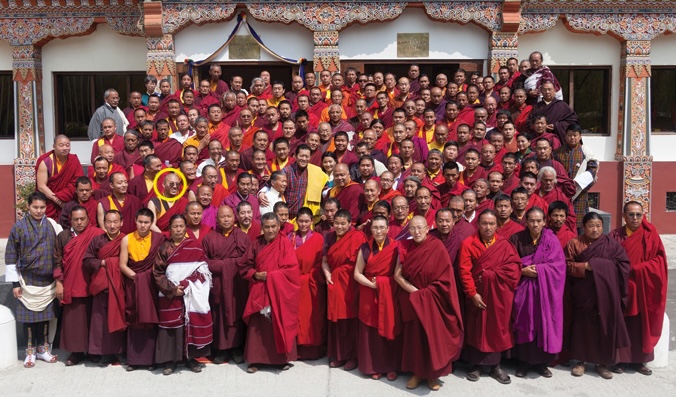
Lama Rinpoche made significant contributions to the renovation and expansion of Long-nying Chöling Monastery. He commissioned new mural paintings, statues, and sacred objects, and organized many religious ceremonies and annual festivals. Known for his humility, simplicity, and unwavering devotion to the Dharma, he tirelessly served the monastery and the surrounding community.
For more than eight decades, Lama Rinpoche lived at Long-nying Chöling Monastery, deeply immersed in Vajrayāna practice. Throughout his life, he maintained unbroken daily practice, never missing his two daily sessions, while also completing several years of strict solitary retreat. Among his many retreats, he completed a three-year retreat focused solely on the Rigdzin Düpa sādhana, maintaining four daily sessions. He also accumulated an 16 billions of Sengdongma, the Lion-Faced Ḍākinī, mantras from the Longchen Nyingtik cycle, and continuously engaged in Vajra Armour practice and other profound Vajrayāna disciplines. It is remembered that he slept no more than five hours each night, dedicating the rest of his time to spiritual discipline, ritual practice, and compassionate service.
Lama Rinpoche’s life exemplified the conduct of a true bodhisattva. He served the Buddha Dharma and sentient beings with humility, simplicity, devotion, and tireless dedication. His contributions to the spiritual and cultural heritage of Bhutan, and especially to Long-nying Chöling Monastery, remain profound and enduring.
Principal Dharma Masters and Mentors
Throughout his life, Ven. Lama Rinpoche Norbu Wangdi received empowerments, transmissions, and instructions from many great masters, including:
Nyingma Masters and Teachers
His Holiness Dudjom Jigdral Yeshe Dorje Rinpoche; His Holiness Dilgo Khyentse Rinpoche; His Holiness Mindroling Trichen Rinpoche; His Holiness Dodrup Rinpoche; His Holiness Penor Rinpoche; His Holiness Trulshik Rinpoche; His Holiness Jadral Sangye Dorje Rinpoche; Kyabje Tertön Pedgyal Lingpa Rinpoche; Kyabje Rekye Jadral Thangtong Rinpoche; Kyabje Polu Khen Rinpoche; Kyabje Nyoshul Khen Rinpoche; Kyabje Drakyab Chönyin Rinpoche; Kyabje Dzongsar Khyentse Rinpoche; Kyabje Namkhai Nyingpo Rinpoche; Kyabje Tulku Sang-ngag Rinpoche; Kyabje Thegtse Rinpoche; Lama Gyalwang Nyima Rinpoche; Dokya Tulku Chökyi Nyima Rinpoche; Dzogchen Pema Sengye Rinpoche; Drupthop Lama Neljorpa Rinpoche; Samdrup Tulku Rinpoche; Drupthop Jangchup Palzang Rinpoche; Lama Ralo Rinpoche; Kurtö Mani Lama Rinpoche; Yogi Lama Phuntsok Dorji; Tsangporong Rinpoche; Tang Rinpoche Chönyi Rangdröl; Lopön Pema La; Lama Serpangpa; Lama Künzang Wangdu; Galing Lama Dorje; Nyingtik Ani Lama; Lama Umzé Drepa; Lama Sonam Wangchuk; Lopön Künzang Norbu; Kurtö Tsampa Trashi Tenzin; Yerphe Lama; Astrologer Rinchen Khandro; and Drungchen Sangye Dorje.
Kagyu and Other Lineages
His Holiness the Fourteenth Dalai Lama; His Holiness the Sixteenth Karmapa Rangjung Rigpai Dorje; the Eighth Kyabje Khamtrul Dongyud Nyima Rinpoche; Kyabje Kalu Rinpoche; His Holiness the Sixty-Fifth Je Khenpo Jamyang Yeshe Sengye; His Holiness the Sixty-Seventh Je Khenpo Nyizer Tulku; His Holiness the Sixty-Eighth Je Khenpo Tenzin Dondrup; His Holiness the Seventieth Je Khenpo Tulku Jigme Chödrak; Kyabje Sangye Nyenpa Rinpoche; and Dorje Lopön Yönten Gyeltsen Rinpoche.
This extensive list reflects the vast and profound sources of empowerment, transmission, and spiritual guidance that shaped Lama Rinpoche’s life of practice, realization, and service.
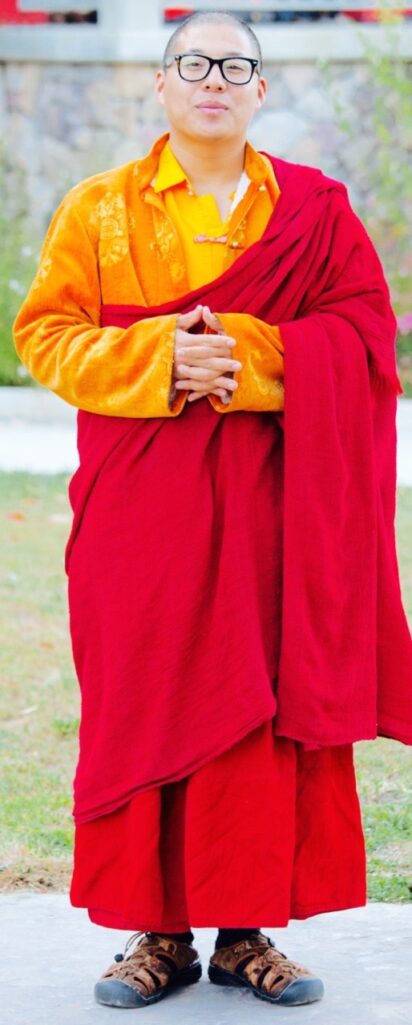
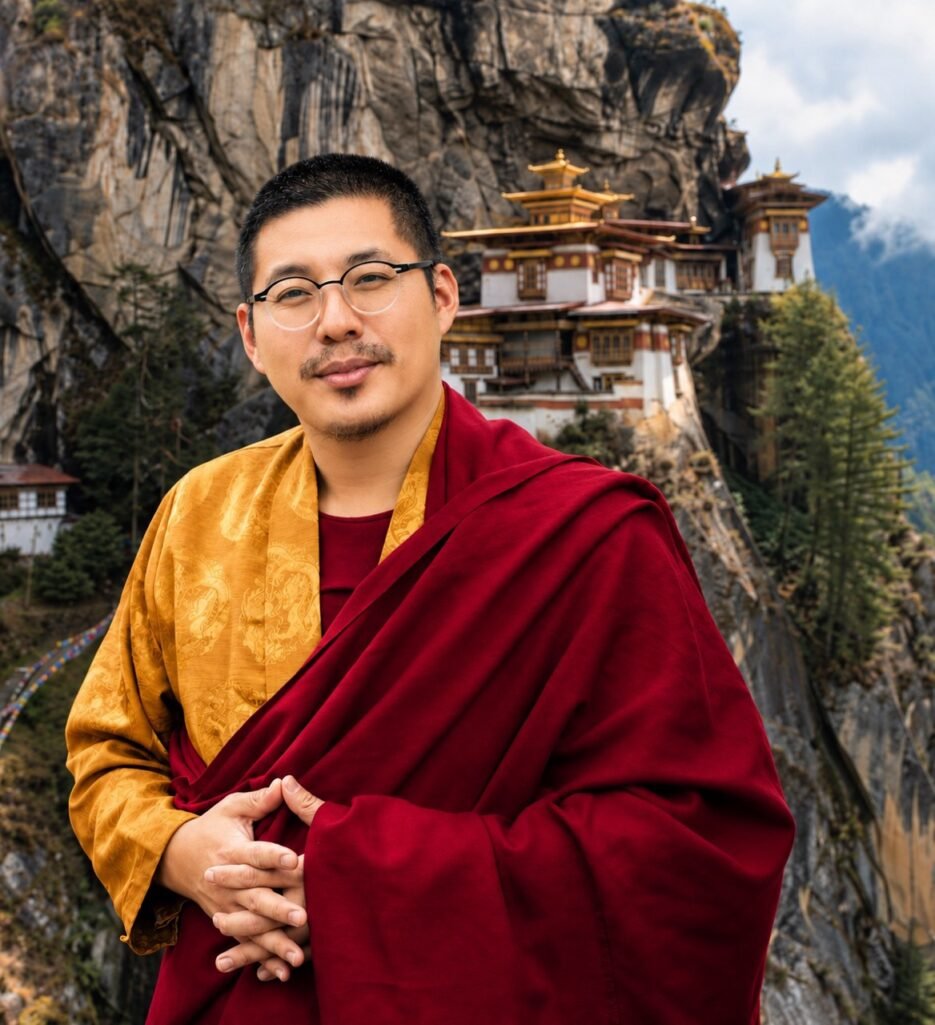
Ven. Khentrul Namchak Dorji
Chief Abbot of Long-nying Chöling Monastery
Founder and Spiritual Director of Luminous Heart Essence
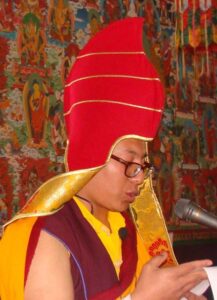
Khentrul Namchak Dorji was born into a lineage of accomplished yogis and tantric practitioners that has continued for several generations, with his predecessors renowned as great yogis who upheld and oversaw Long-nying Chöling Monastery.
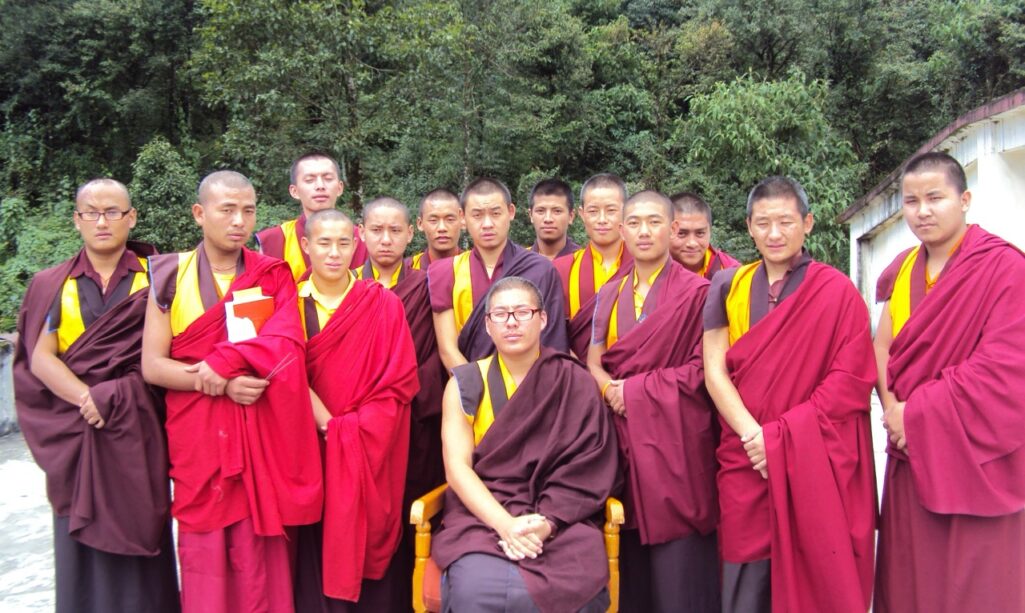
From the age of five, Khentrul began his early training at Long-nying Chöling Monastery, where he learned reading, writing, daily liturgy, and advanced Vajrayāna ritual practices. Under the guidance of his grandfather, Ven. Lama Rinpoche Norbu Wangdi, the Fifth Abbot of the monastery, he received a strong foundation in Buddhist practice, ritual arts, and monastic discipline. Alongside his traditional training, he also pursued modern education in Bhutan and India.
After many years of rigorous Buddhist study and practice, Khentrul earned the Khenpo degree, a doctorate-level degree in Buddhist philosophy, from the Nyingma Institute of Higher Buddhist Studies and Research Center in India. His training included extensive study of Buddhist philosophy, meditation, tantric scriptures, ritual practice, and the sacred arts of the Vajrayāna tradition.
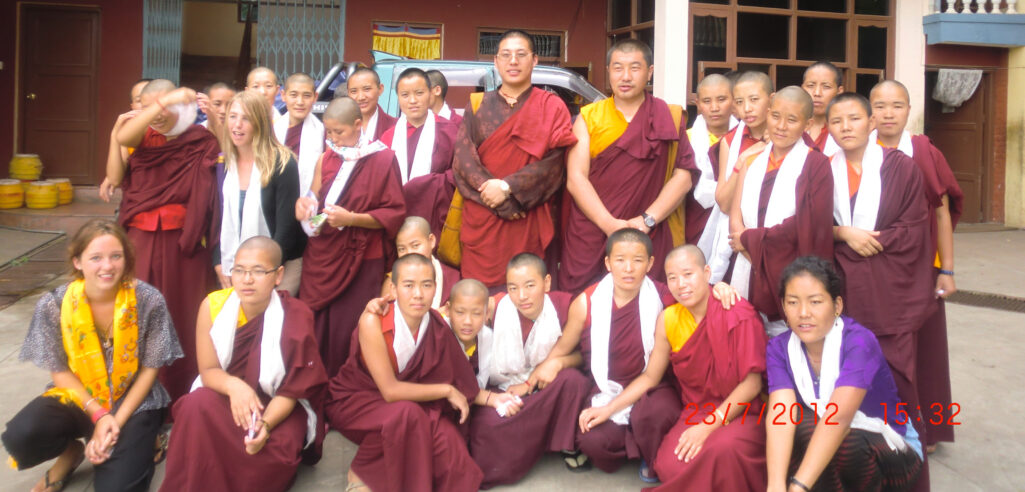
Khentrul has taught a wide range of Buddhist subjects, from foundational teachings and meditation practice to advanced Buddhist philosophy and Vajrayāna teachings. He has taught and guided students in Bhutan, Nepal, India, Vietnam, and the United States. His teachings combine deep traditional training with clarity, warmth, and practical guidance for both monastic and lay practitioners.
In addition to his work as a teacher, Khentrul has been deeply involved in researching, editing, and translating Vajrayāna Buddhist texts, helping to preserve and transmit the wisdom of the Nyingma tradition for future generations. He continues to oversee Long-nying Chöling Monastery in Bhutan while also supporting Dharma communities and serious Vajrayāna practitioners in the United States and beyond.
Through his scholarship, translation work, teaching, and service, Khentrul is dedicated to preserving the Buddha Dharma and making its wisdom accessible to students in both traditional Himalayan and modern global contexts.
Masters from Whom Khentrul Received Empowerments, Transmissions, and Teachings
Khentrul has received numerous empowerments, oral transmissions, and teachings from many eminent masters, including:
- His Holiness the Fourteenth Dalai Lama
- His Holiness Sakya Gongma Rinpoche
- His Holiness Trulshik Rinpoche
- His Holiness Taklung Tsetrul Rinpoche
- His Holiness Dodrupchen Rinpoche
- Kyabje Rabjam Rinpoche
- Kyabje Dzongsar Khyentse Rinpoche
- Kyabje Namkhai Nyingpo Rinpoche
- Kyabje Khochen Rinpoche
- Kyabje Thegtse Rinpoche
- Kyabje Tulku Sang-ngag Rinpoche
- Kyabje Rigzin Rinpoche
- Kyabje Minling Gyalse Tulku Rinpoche
- Ven. Khen Rinpoche Tsewang Sonam
- Ven. Lama Rinpoche Norbu Wangdi
- Ven. Drupla Rinpoche Lama Karma
…and many other esteemed lamas, khenpos, and tulkus.